Hi ,
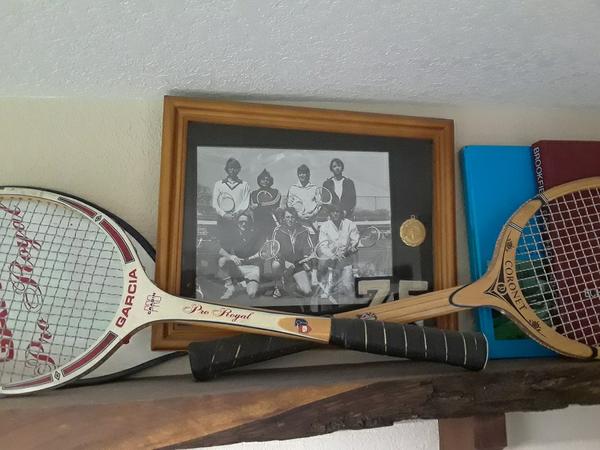
As I've been thinking about the best kind of practice to improve your chip carving, I thought back to my tennis coaches and what they did to help us become better players and make us a stronger team.
We did service tosses to see how many times the ball would land on our racket face. We'd practice second serves to improve consistency and exchange cross court and down the line ground strokes with a teammate. Mini-tennis in the forecourt helped build a light touch. And more...
But something was missing in all the thousands of tennis balls I hit...
FEEDBACK!
Neither my coach, a teammate or myself consistently provided FEEDBACK to me on what I was doing incorrectly so I could improve. Sure I'd tell myself to do this or that, but it wasn't written down and recorded from day to day to know what I was focusing on and if I was really improving. The only measurement was whether I could beat my teammates in a challenge.
Sometimes it's easy to think you're getting better just because you're putting in the time. But this isn't necessarily true with tennis OR chip carving!
Regularly someone will say to me after I tell them about the lessons and courses I have available on my website, "You don't understand, I've been chip carving for 25 years..."
They equate TIME spent chip carving with PROGRESS. Not true!
And not true in tennis either! Time spent on the court will toughen your hands and feet so you don't get blisters, but it doesn't necessarily make you a better player.
In the world of music, virtuoso violinist Nathan Milstein says,
“Practice as much as you feel you can accomplish with concentration (FOCUS). Once when I became concerned because others around me practiced all day long, I asked my professor how many hours I should practice, and he said,
‘It really doesn’t matter how long. If you practice with your fingers,
no amount is enough. If you practice with your head, two hours is plenty.’”
The following video clip shows you what Deliberate Practice is like when practicing chip carving. Watch and listen for these 3 elements:
1. FOCUS
2. FEEDBACK
3. FOCUS